Aird Mhór | Ardmore 3 (I-WAT-004)
Ireland I-WAT-004 CIIC 265

Aird Mhór | Ardmore 3 (I-WAT-004)

Inscription

AMADU

Ogham reads along the stemline — usually bottom to top on standing stones. How to read Ogham →

Stone ID
I-WAT-004
CIIC Ref.
265
Country
Ireland

The Stone in Detail

This record is drawn from the OG(H)AM corpus — the authoritative scholarly database of Ogham inscriptions, compiled by a team of epigraphers, archaeologists, and linguists. Transcription conventions and dating follow established epigraphic standards.

Provenance

Discovery: Discovered c.1854 by Mr. R. Chearnley on a low wall beside a grave in the graveyard at Ardmore (Macalister 1945, 260). One of three ogham stones discovered at this site (see also I-WAT-002 and I-WAT-003). Other early features at Ardmore include St Declan’s oratory, cathedral ruins (Romanesque), a round tower and a graveyard, all within a D-shaped enclosure (dims. c. 200m N-S; c. 130m E-W; WA040-008023-).

Findspot: Ardmore (Aird Mhór), Ardocheasty (Ard Ó Séasta), Co. Waterford, Ireland (ITM Coordinates (approximate): 618842, 577448)

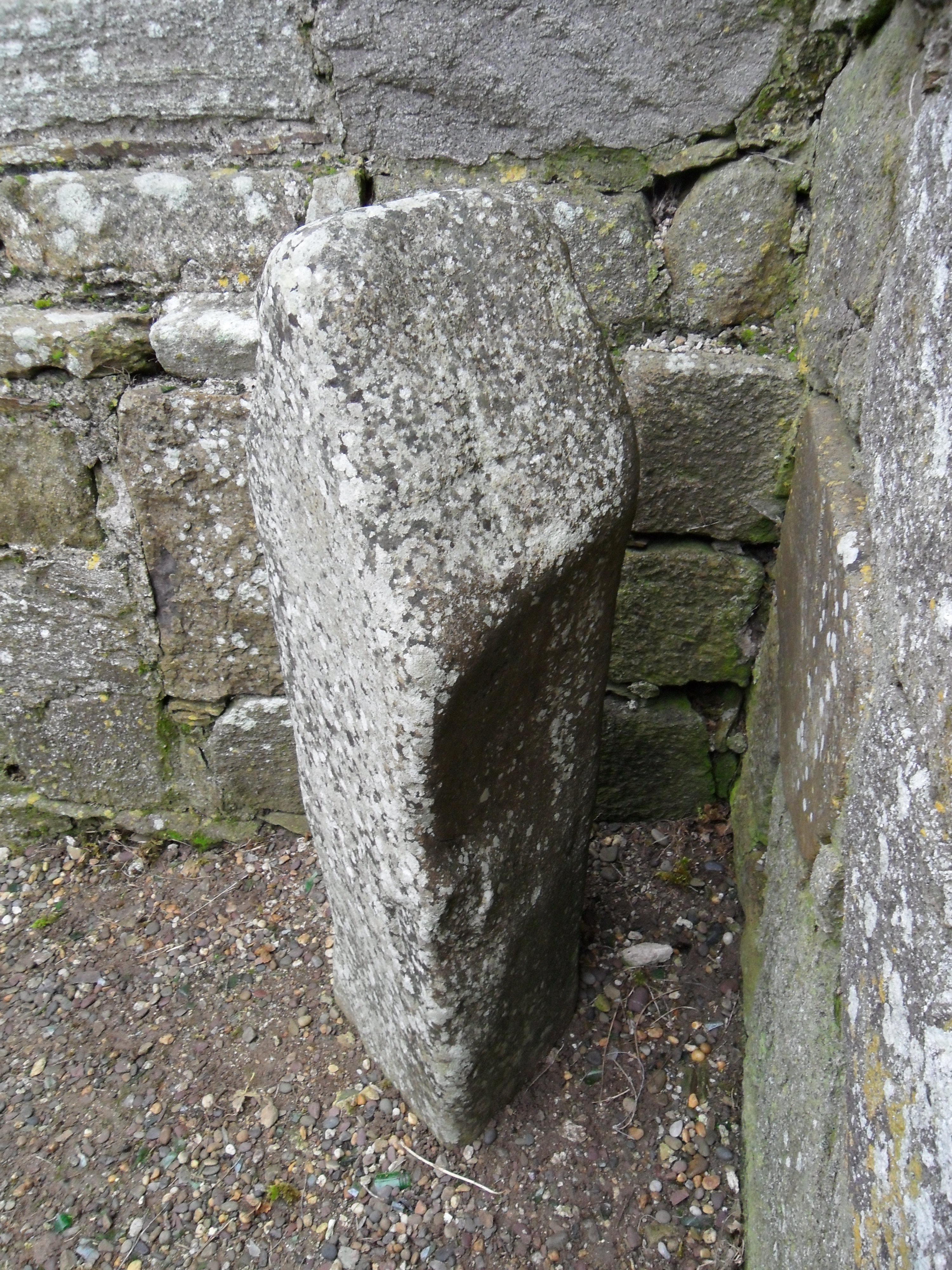
Last recorded location(s): Standing in a corner of the chancel of the ruined cathedral opposite Ardmore 1 (I-WAT-004). Examined and recorded in 3D by the Discovery Programme in 2012 as part of the OGHAM in 3D project.

Support

National Monuments Service SMR ID: WA040-008007-

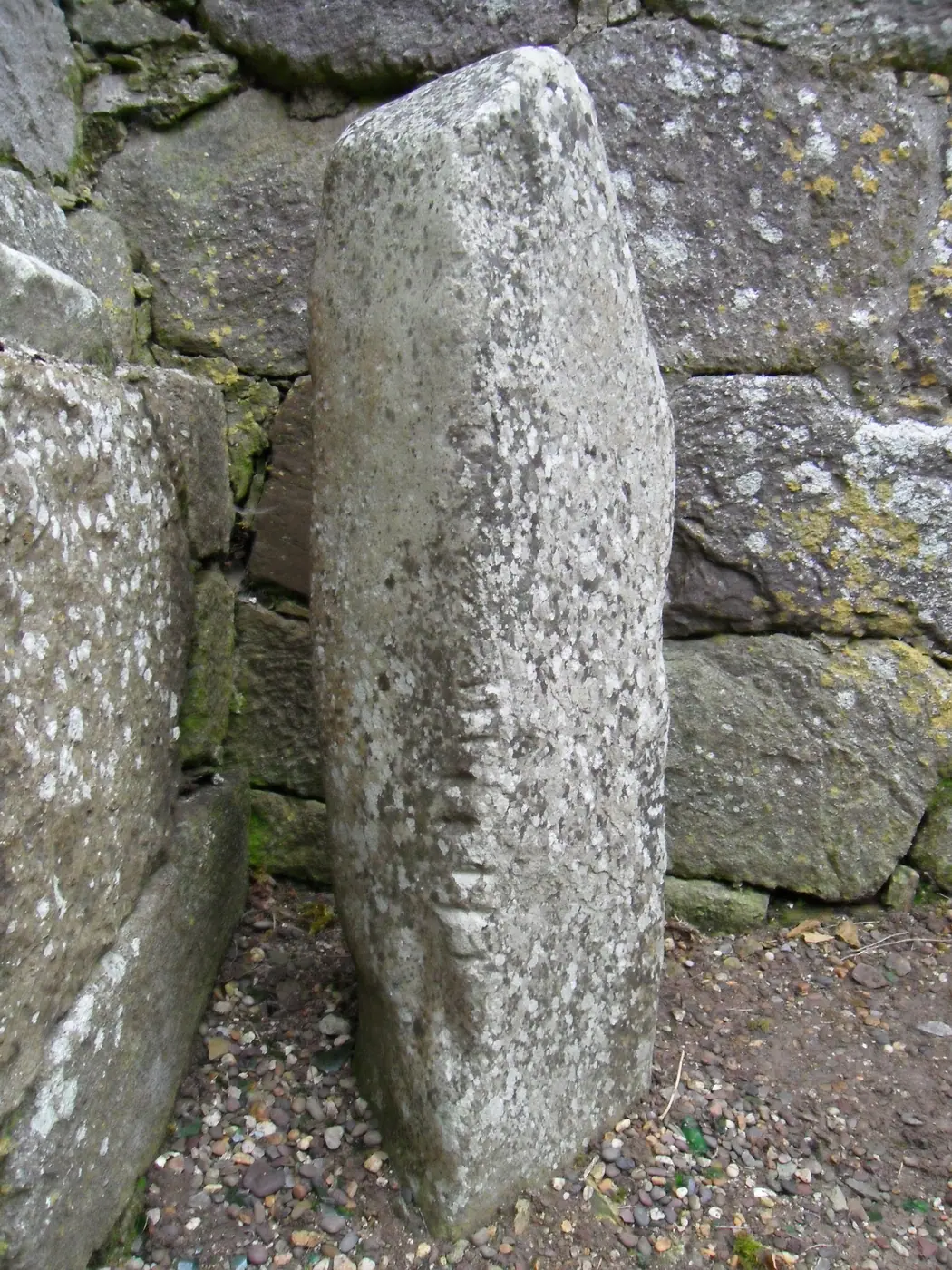
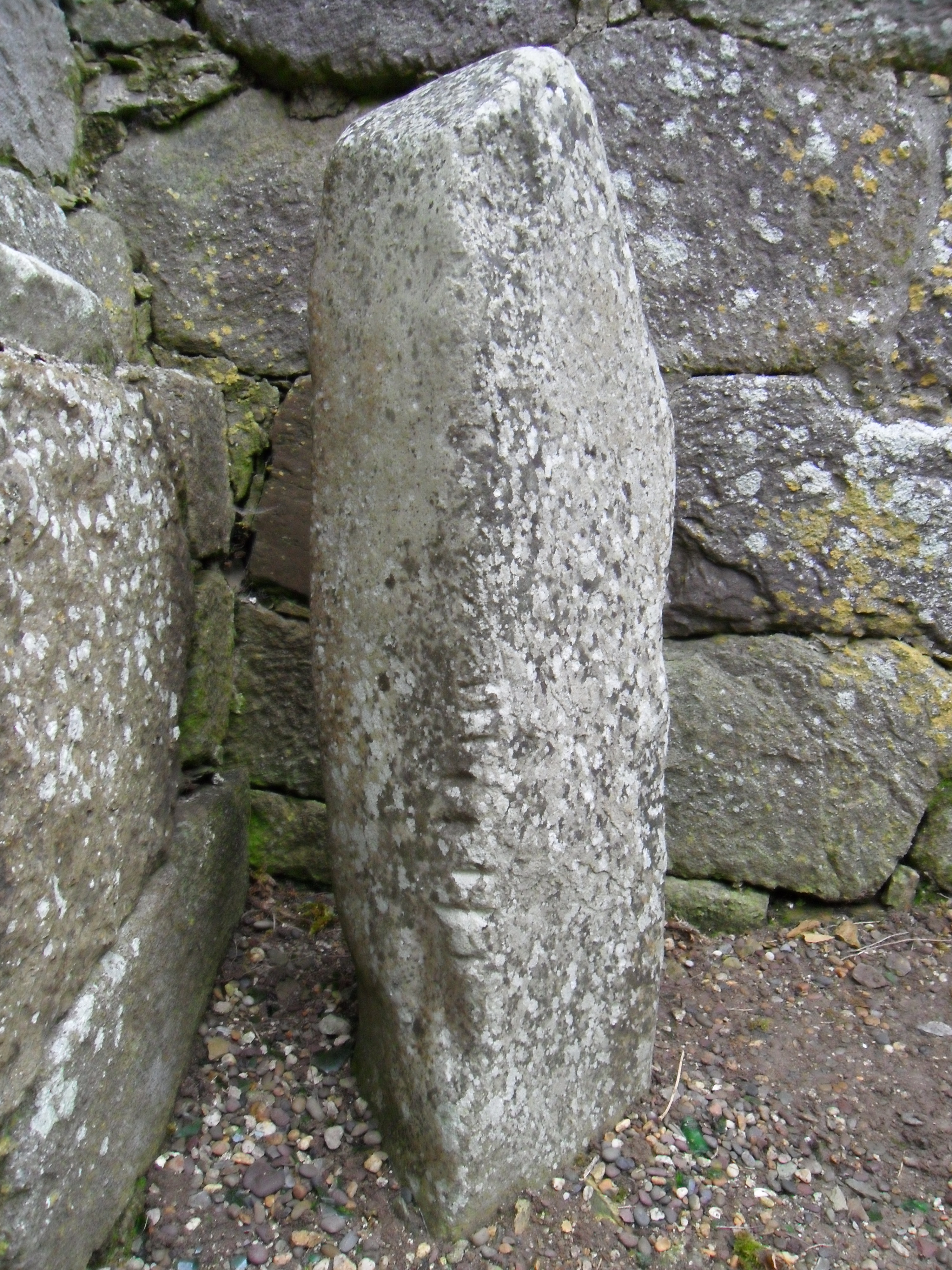
Object type: Pillar

Material: Sandstone

Dimensions: H 1.33 × W 0.33 × D 0.23 m

Decoration: This ogham stone has a small, incised, equal-armed cross on the sloping top of the stone, on the side opposite the inscription.

Condition: This stone is in reasonably good condition.

Inscription

Text field: The short ogham inscription (reaching to about half way up the stone) runs up on the left angle of the front face in its current position.

Letters: The ogham strokes have been v-cut, rather than pocked. They are short and even the M and D resemble vowel strokes.

Edition

Ogham text: ᚐᚋᚐᚇᚒ

Transcription: AMADU

Commentary

This appears to be an example of a Latin name, Amatus ‘beloved’, in an Irish ogham inscription (McManus 1991, 113). AMADU is also a possible example of an o-stem dative singular used here instead of the usual genitive.

References

  • Fitzgerald 1855, 40-49, 287-91
  • Macalister 1945, 257-260
  • McManus 1991, 113, 117, 123
  • Moore 1999, 197
  • Rhys 1903, 381–386
  • Westropp 1903, 353–380
#ogham#ireland

Plan Your Visit

Visiting the Aird Mhór | Ardmore 3 (I-WAT-004) Ogham Stone

The Aird Mhór | Ardmore 3 (I-WAT-004) stone is one of Ireland's finest early medieval monuments — and well worth the journey. Whether you're a dedicated epigrapher, a history enthusiast, or simply someone who loves exploring ancient places, seeing a 1,500-year-old inscription in person is an experience unlike any other.

🗺️

Getting There

Use the map and coordinates on this page to navigate directly to the stone's recorded location. Many Ogham stones are in rural churchyards or open countryside — sturdy footwear is recommended.

📷

What to Bring

Bring a camera with a good zoom for inscription detail. Raking light (early morning or late afternoon) makes Ogham strokes far easier to see and photograph. A notebook for rubbings or sketches adds to the experience.

🏨

Where to Stay

There's plenty of accommodation near Ireland. Browse hotels, B&Bs, and guesthouses close to the stone using the map below — filter by price, rating, and availability to find the perfect base for your trip.

Hotels & accommodation near Aird Mhór | Ardmore 3 (I-WAT-004)

Prices shown are per night — click any pin to book

Accommodation listings are provided by Stay22. Ogham Lore may earn a small commission on bookings made through these links — at no extra cost to you.