Free Online Tool
Ogham Translator
Convert any word or name into the ancient Ogham alphabet
Only letters convert to Ogham — numbers and symbols are removed automatically.
Ogham Translator vs Transliterator — what's the difference?
Most people search for "Ogham Translator" — and that's perfectly fine. Technically, what this tool does is more accurately called an Ogham transliterator: it converts individual letters from the Latin alphabet (A, B, C…) into their corresponding Ogham symbols (ᚐ, ᚁ, ᚉ…). A translator converts meaning between languages; a transliterator converts characters between scripts.
Ogham is not a language — it is an alphabet, just as the Latin alphabet is used to write English, Spanish and French. The ancient Irish used Ogham to write Primitive Irish, the earliest known form of Gaelic, from around the 4th century AD onwards.
What's Your Name in Ogham?
Looking up your name in Ogham is one of the most popular uses of this tool. If your name is English, the most historically accurate approach is to find the Irish (Gaelic) equivalent first — for example, John → Seán, Mary → Máire — and then transliterate into Ogham. We've compiled a list of the 100 most popular names in Ogham to help you find yours instantly.
| English | Irish (Gaelic) | Ogham |
|---|---|---|
| John | Seán | ᚄᚕᚅ |
| James | Séamus | ᚄᚕᚋᚒᚄ |
| Kevin | Caoimhín | ᚉᚐᚖᚋᚆᚔᚅ |
| Mary | Máire | ᚋᚐᚔᚏᚓ |
| Sarah | Sorcha | ᚄᚑᚏᚉᚆᚐ |
| Patrick | Pádraig | ᚚᚐᚇᚏᚐᚔᚌ |
Most Popular Ogham Words & Phrases
Beyond names, the most common searches are spiritual words and Irish blessings. Here are the most popular:
| English | Irish (Gaelic) | Ogham |
|---|---|---|
| Love | Grá | ᚌᚏᚐ |
| Family | Teaghlach | ᚈᚕᚌᚆᚂᚐᚉᚆ |
| Strength | Neart | ᚅᚕᚏᚈ |
| Peace | Síocháin | ᚄᚔᚑᚉᚆᚐᚔᚅ |
| Ireland | Éire | ᚓᚔᚏᚓ |
| Life | Saol | ᚄᚐᚑᚂ |
A Brief History of Ogham
Ogham is an Early Medieval alphabet used to write the early Irish language, known as Primitive Irish. Evidence shows Ogham was in use from at least the 4th century AD — long before the Latin alphabet reached Ireland. The script is traditionally written along the edge of a stone, read from bottom to top, which is why it is displayed vertically.
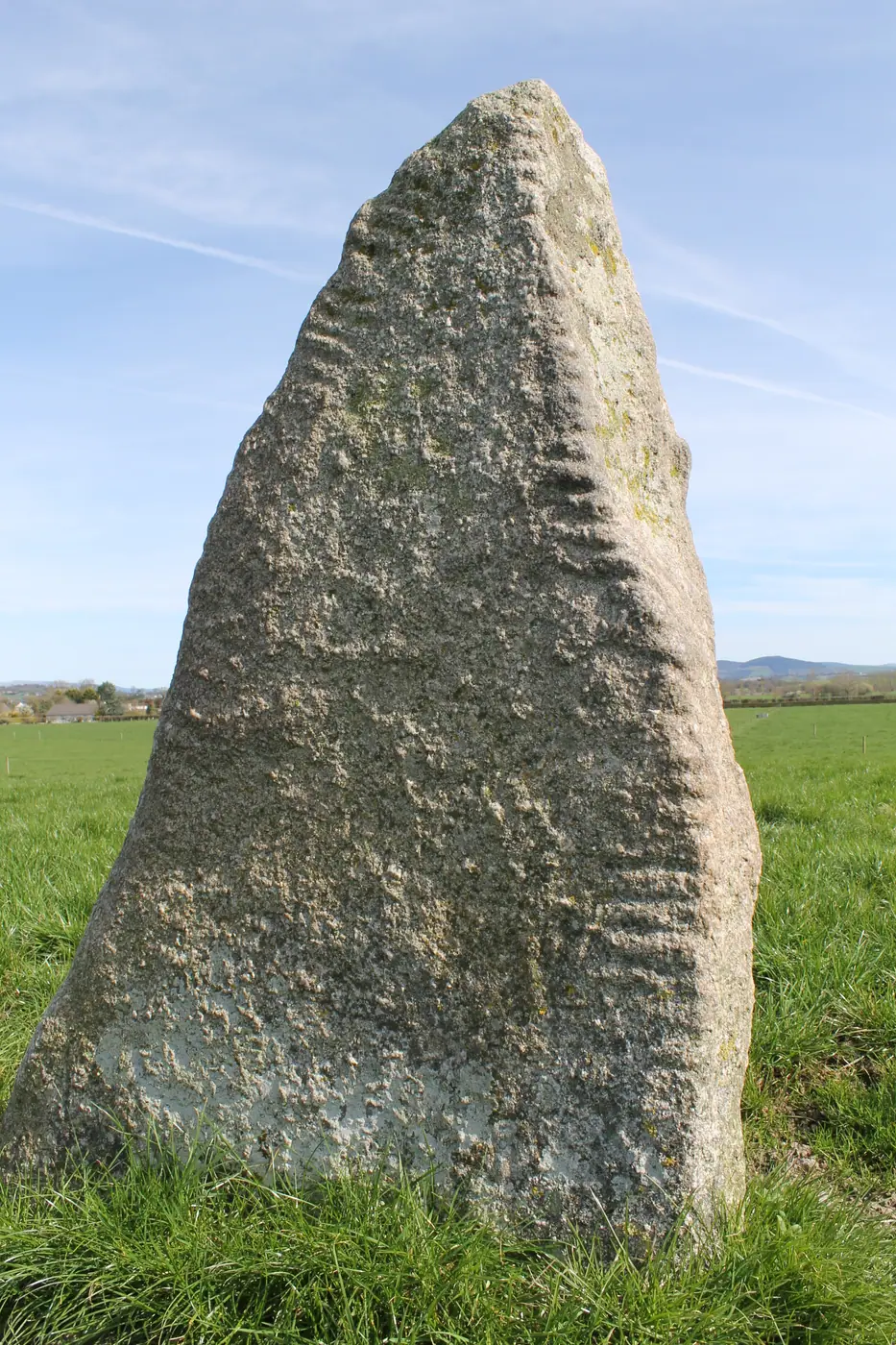
Around 400 inscribed stone monuments survive across Ireland and parts of western Britain, most recording personal names — memorials to the people of early Gaelic society. Here is a real inscription from the Breastagh Ogham Stone in County Mayo:
᚛ᚁᚔᚃᚐᚔᚇᚑᚅᚐᚄᚋᚐᚊᚔᚋᚒᚉᚑᚔ᚜ ᚛ᚉᚒᚅᚐᚃᚐ[ᚂᚔ]᚜ "[Stone] of Bivaidonas, son of the tribe Cunava[li]"
Popular Irish & Celtic Names
Men's Names in Ogham
Click any card to see the full letter-by-letter breakdown, tree meanings, and cultural context.
Daniel in Ogham
᚛ᚇᚐᚅᚔᚓᚂ᚜Patrick in Ogham
᚛ᚚᚐᚈᚏᚔᚉᚉ᚜Luke in Ogham
᚛ᚂᚒᚉᚓ᚜Sean in Ogham
᚛ᚄᚕᚅ᚜Ryan in Ogham
᚛ᚏᚔᚐᚅ᚜David in Ogham
᚛ᚇᚐᚃᚔᚇ᚜Cian in Ogham
᚛ᚉᚘᚅ᚜Finn in Ogham
᚛ᚃᚔᚅᚅ᚜Ethan in Ogham
᚛ᚓᚈᚆᚐᚅ᚜Aaron in Ogham
᚛ᚐᚐᚏᚑᚅ᚜Samuel in Ogham
᚛ᚄᚐᚋᚒᚓᚂ᚜Liam in Ogham
᚛ᚂᚘᚋ᚜Niall in Ogham
᚛ᚅᚘᚂᚂ᚜Oscar in Ogham
᚛ᚑᚄᚉᚐᚏ᚜Women's Names in Ogham
Saoirse in Ogham
᚛ᚄᚐᚖᚏᚄᚓ᚜Aoife in Ogham
᚛ᚐᚖᚃᚓ᚜Emily in Ogham
᚛ᚓᚋᚔᚂᚔ᚜Nora in Ogham
᚛ᚅᚑᚏᚐ᚜Grace in Ogham
᚛ᚌᚏᚐᚉᚓ᚜Anna in Ogham
᚛ᚐᚅᚅᚐ᚜Lily in Ogham
᚛ᚂᚔᚂᚔ᚜Isla in Ogham
᚛ᚔᚄᚂᚐ᚜Molly in Ogham
᚛ᚋᚑᚂᚂᚔ᚜Ciara in Ogham
᚛ᚉᚘᚏᚐ᚜Niamh in Ogham
᚛ᚅᚘᚋᚆ᚜Sophia in Ogham
᚛ᚄᚑᚚᚆᚘ᚜Claire in Ogham
᚛ᚉᚂᚐᚔᚏᚓ᚜Maeve in Ogham
᚛ᚋᚙᚃᚓ᚜Orla in Ogham
᚛ᚑᚏᚂᚐ᚜Want an expert to verify your inscription before you book the studio?
Standing Stones of Ireland & Britain
Ogham Stones in the Landscape
Over 400 inscribed stones survive across Ireland, Wales, and Scotland — the oldest written records in the Irish language.
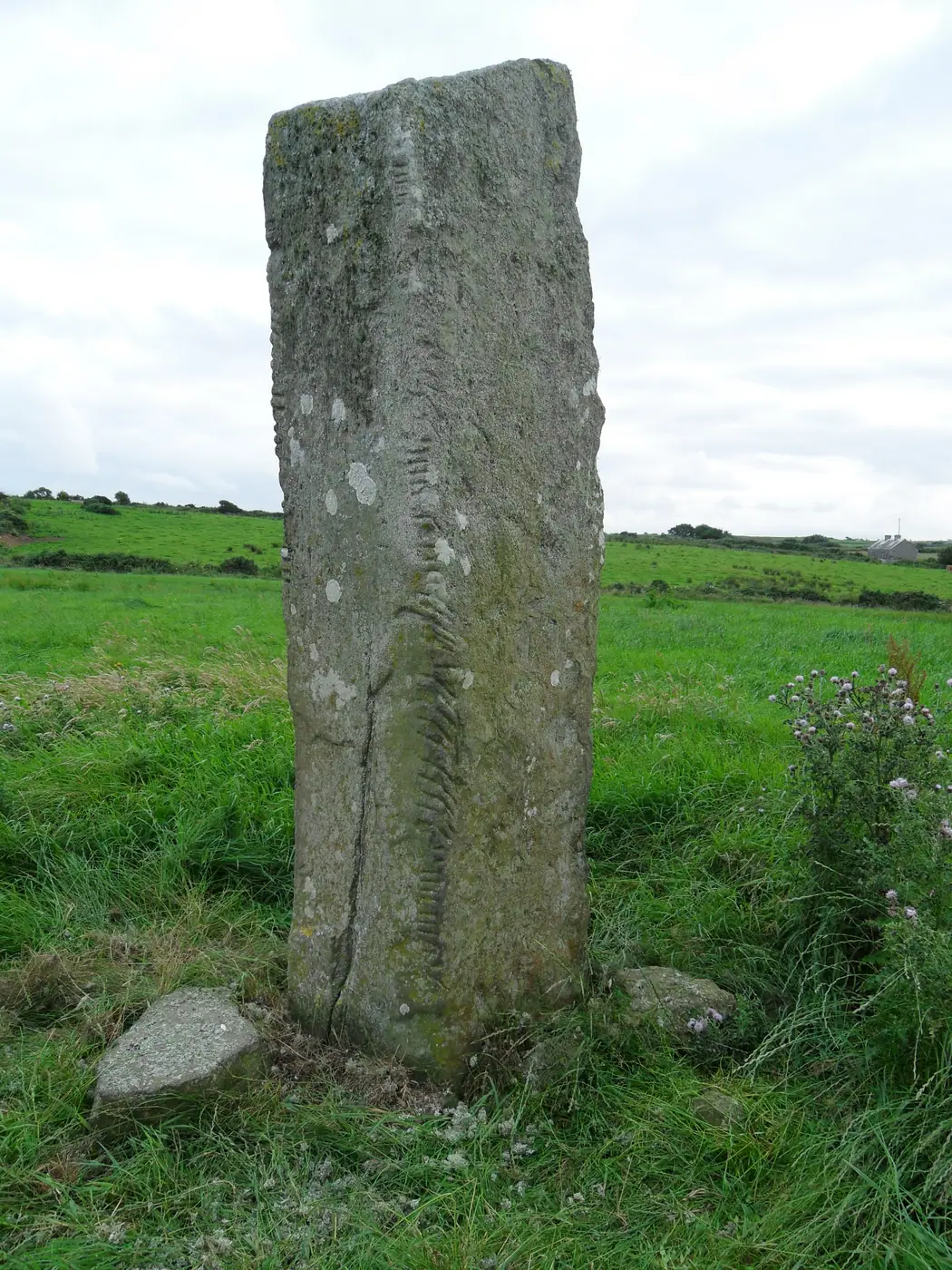
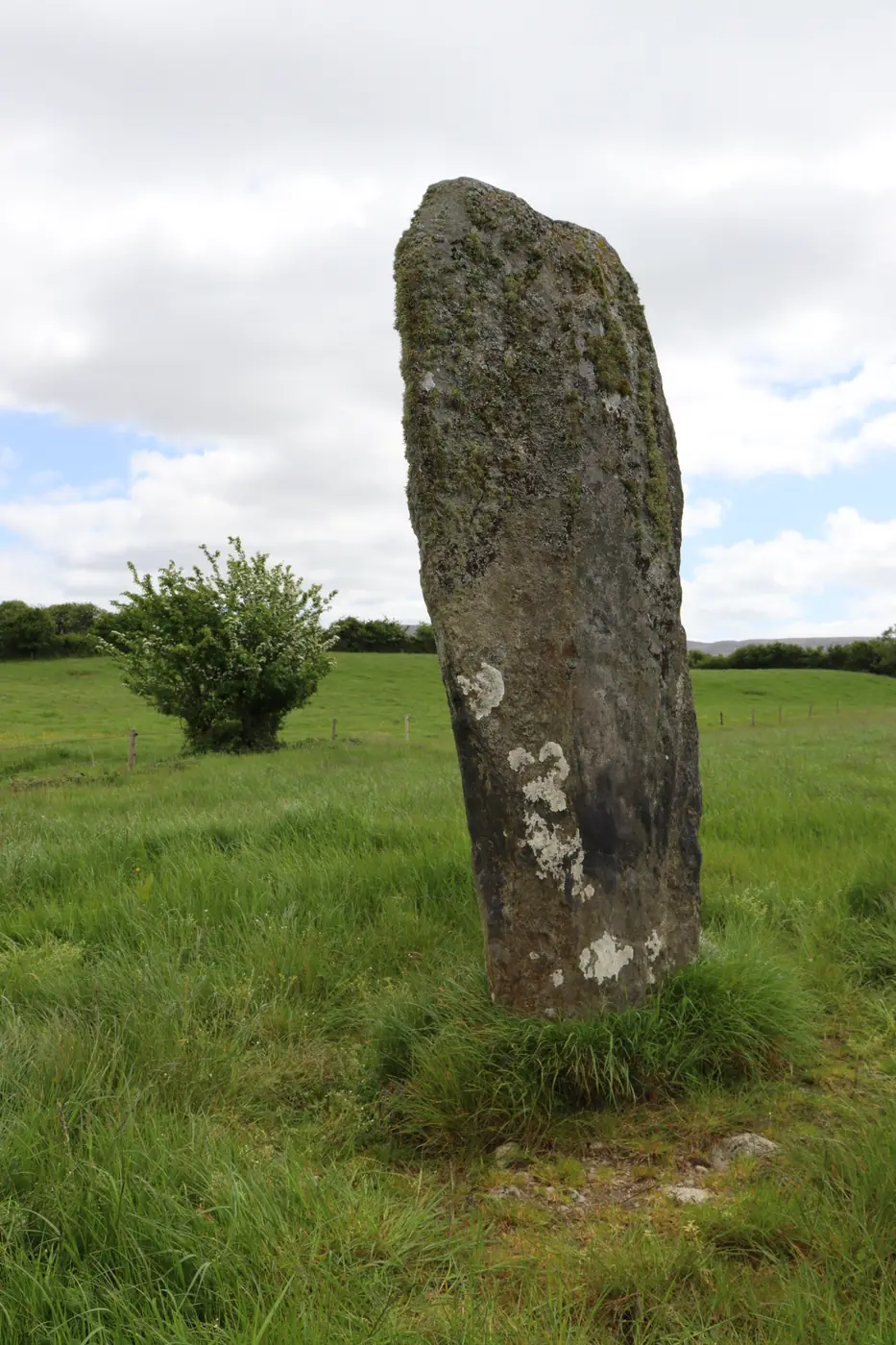
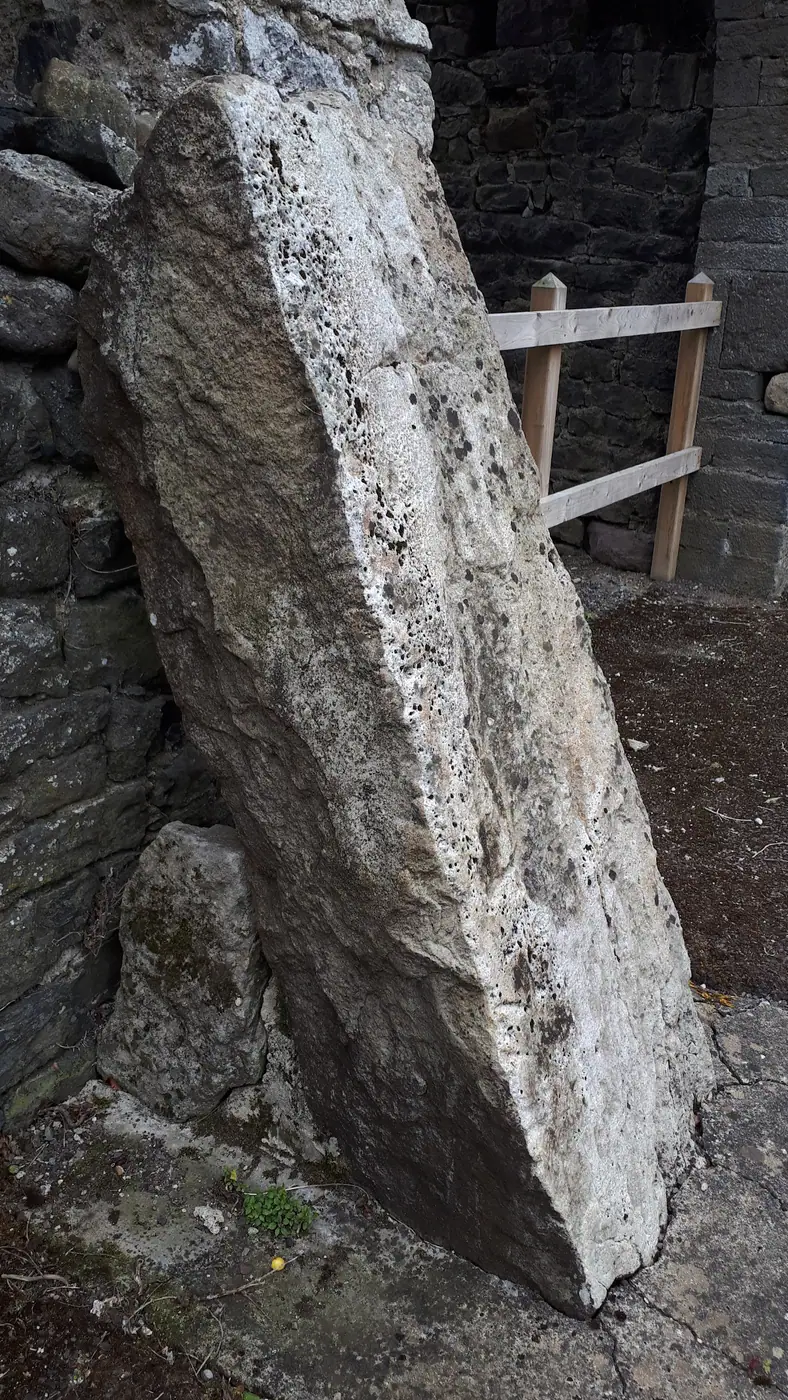
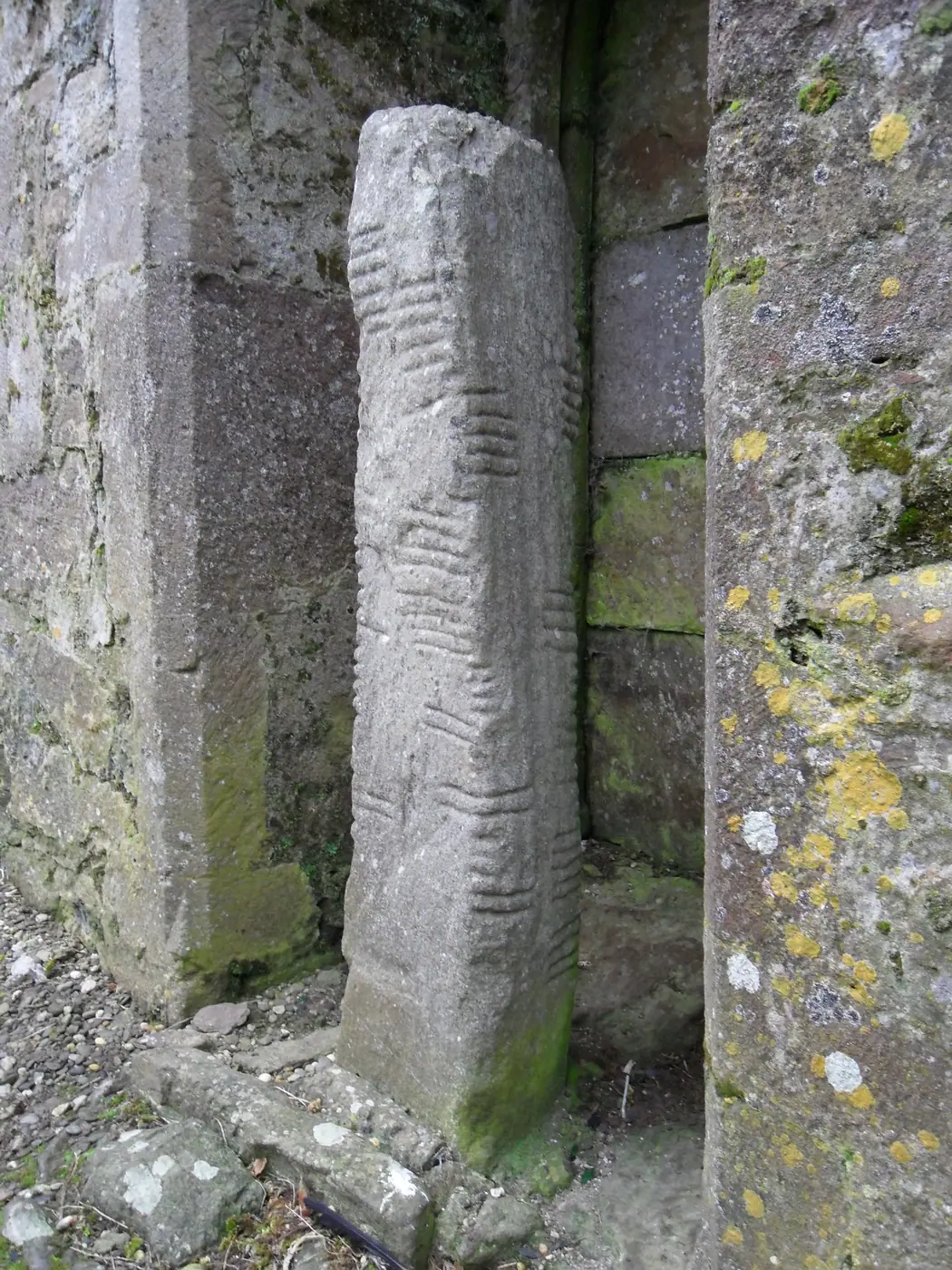
The Irish Alphabet
When people search for the Irish alphabet, they usually mean one of two things: the modern Irish language uses the standard Latin alphabet with a few distinctive features, or the ancient Ogham script — the original writing system invented specifically for the Irish language around the 4th century AD.
Ogham is the oldest surviving form of written Irish. Its 25 characters, called feda (singular fid), are carved as groups of strokes across a central stem line — typically along the edge of a standing stone. Over 400 of these inscribed stones survive across Ireland, Wales, Scotland, and even the Isle of Man, making Ogham one of the best-documented ancient scripts in the Atlantic world.
Learn the full history of Ogham →The Celtic Tree Alphabet
The idea of a Celtic tree alphabet comes from the real association between Ogham letters and tree names. Each letter takes its name from a tree or plant: Beith (birch), Luis (rowan), Fearn (alder), Sail (willow), and so on through the 25-letter alphabet. These names are genuine — they appear in medieval Irish manuscripts and form the basis of the script's traditional teaching structure.
The popular notion of a mystical calendar built around these tree associations was largely shaped by Robert Graves in The White Goddess (1948) and is a modern interpretation rather than a historical one. The tree names are real; the calendar is a later construction. Either way, the connection between Ogham and the natural world is one of the things that makes it genuinely fascinating.
Ogham and the trees — the full story →Explore Ogham Lore
The Ogham Alphabet
All 25 letters with names, tree meanings, and pronunciation.
What Is Ogham?
History, origins, and how to read it — the definitive guide.
Ogham for Tattoos
Everything you need to know before getting an Ogham tattoo.
Word of the Day
One Ogham word every day on YouTube — spelling, meaning, and stone history.